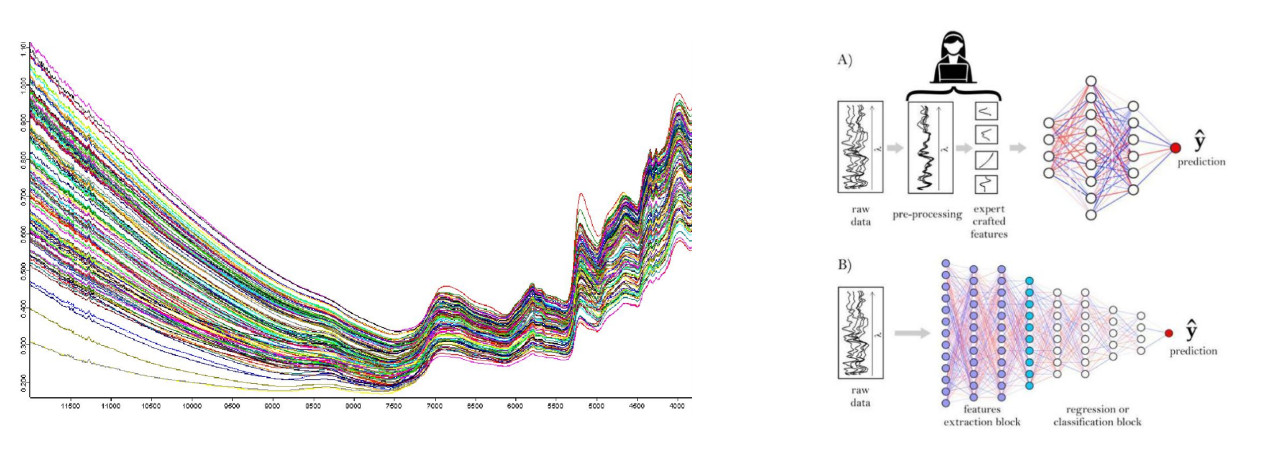
El proyecto OPTIFANGS desarrolla una herramienta denominada Agroresources que permite calcular una estimación suficientemente precisa de la composición agronómica y ambiental de lodos de EDAR a través de la medida de la huella dactilar NIR. Esto permite modelizar el comportamiento de dicho lodo en diferentes condiciones y optimizar su dosificación en suelos agrarios. De esta forma, la herramienta permite tomar decisiones de dosificación casi en tiempo real.
El modelizado del lodo analizado en diferentes condiciones facilita las decisiones de manejo y dosificación en tiempo real y mejora significativamente la optimización del proceso. Para este análisis, se utiliza la quimiometría, que es una disciplina de la inteligencia artificial (IA) que fusiona el valor de las inteligencias ‘química’ y ‘analítica’ y que permite la extracción de características basadas en la optimización del modelo.
El desarrollo de estas herramientas permitirá una gestión descentralizada de los lodos, lo que servirá para que haya un menor impacto ambiental. Asimismo, los resultados esperados apuntan a una reducción del 25% del exceso de nutrientes que no son absorbidos por los cultivos vinculados a los lodos EDAR, un aumento del 12% del carbono secuestrado en los suelos enmendados, la mitigación de emisiones y olores a bajo coste; así como la esperanza de la implantación de este sistema Optifangs en países de nuestro entorno.
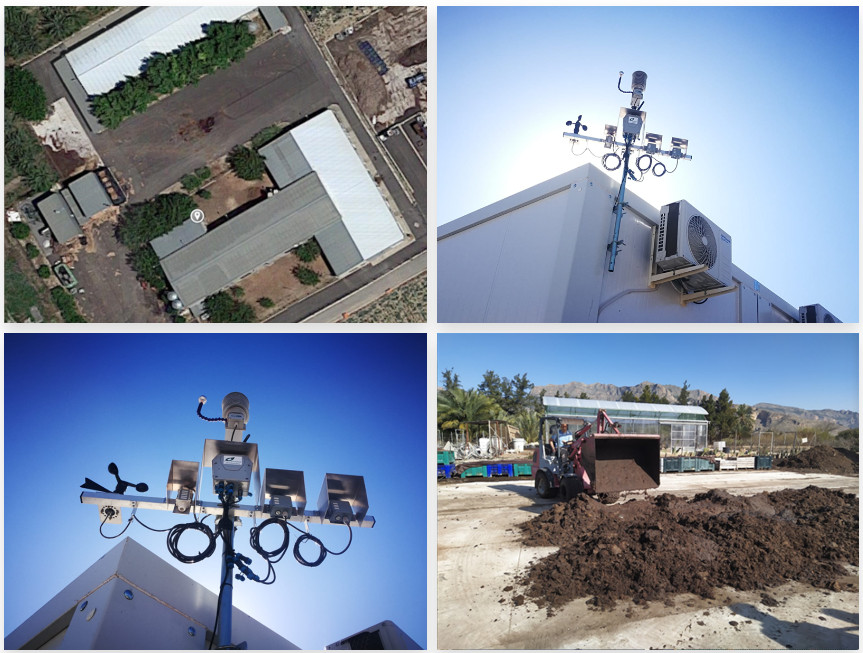
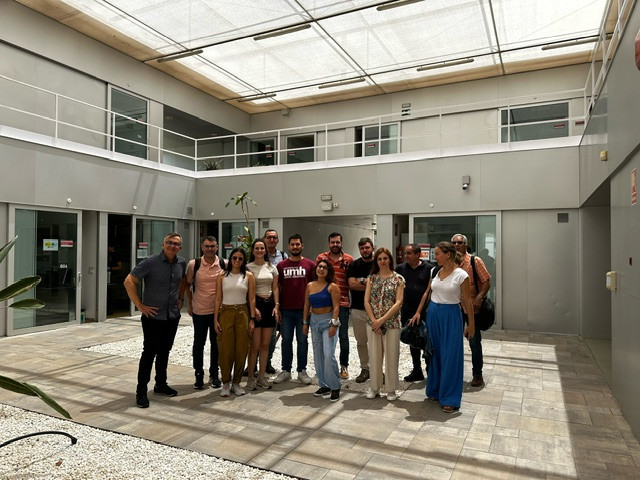
El primer Living Lab de OPTIFANGS está operativo en el campus de La Universidad Miguel Hernández (UMH) de Elche. En concreto se ubica en la planta de Compostaje de la UMH en Orihuela (Alicante).
En el Living Lab se desarrolla un trabajo de sensorización avanzada a través de prototipos de desarrollo específico para OPTIFANGS. Con ellos se monitorizan las emisiones vinculadas a las estaciones de tratamiento de aguas, identificando diferentes fuentes de emisión en planta a nivel de olores y gases de efecto invernadero.